
The Complete Guide to Pipette Filter Tips
Pipette tips are one of the most essential laboratory consumables in scientific research, diagnostics, and clinical workflows. Among these, pipette filter tips have become indispensable for ensuring accurate liquid handling, contamination control, and reproducible results in sensitive experiments.
In this comprehensive guide, you’ll learn what pipette filter tips are, how they work, why they’re used in laboratory science, their advantages compared to standard tips, and how to choose the right product for your lab. The article also introduces Gentaur Pipette Filter Tips a premium solution trusted by labs worldwide.
What Are Pipette Filter Tips?
In simple terms, pipette filter tips are disposable tips that include a built-in hydrophobic barrier (filter) near the upper end of the tip. When liquid is aspirated, this filter prevents aerosols and liquid droplets from traveling further up into the pipette barrel. This barrier helps protect both your sample integrity and the pipetting instrument itself.
Every time you aspirate a liquid, especially volatile or reactive samples, microscopic droplets and aerosols can form inside the tip. Without a filter, these aerosols may contaminate the pipette’s internal components, raising the risk of cross-contamination between samples.
Why Filtered Tips Are Critical for Scientific Accuracy?
Laboratory work often demands precision and contamination control. For many disciplines — such as molecular biology, microbiology, immunoassays, and diagnostic testing even tiny contaminants can skew results.
Here’s how pipette filter tips help:
1. Reduce Risk of Cross-Contamination
The hydrophobic filter creates a barrier that blocks aerosols and particulate matter from entering the pipette shaft, minimizing the risk that one sample will contaminate the next. This is especially important in high-sensitivity work like PCR or nucleic acid testing.
2. Protect Valuable Samples
When you’re working with precious biological samples such as rare DNA or RNA extracts even tiny contamination can ruin an experiment. Filter tips help maintain sample purity.
3. Protect Your Equipment
Pipettes are precision instruments. Filter barriers prevent liquid from reaching the internal mechanisms, reducing the risk of corrosion or damage and extending the life of your pipettes.
4. Improve Workflow Efficiency
Using filter tips often means less time spent cleaning instruments, troubleshooting failed reactions, or repeating runs due to contamination saving time and reducing costs over the long term.
How Do Pipette Filters Work?
Most pipette filters are made from inert, hydrophobic materials, such as sintered polyethylene granules. Their porous structure allows air to flow freely while trapping liquids and aerosols. This “tortuous path” design ensures airflow does not affect liquid handling accuracy but effectively stops unwanted particles.
The typical filter is placed near the top of a pipette tip. When liquid is drawn up, the filter blocks any potential back-flow into the pipette. This hydrophobic filter membrane stops aerosols in sensitive workflows like PCR or microbiology.
Filter Tips vs. Standard (Non-Filtered) Pipette Tips
Understanding when to use which tip matters for both accuracy and budget efficiency:
| Feature | Filtered Pipette Tips | Standard Tips |
|---|---|---|
| Aerosol Protection | Yes | No |
| Cross Contamination Risk | Low | Higher |
| Applicable for Sensitive Tests | Yes | No |
| Ideal for Routine Transfers | Depends on need | Yes |
| Equipment Protection | Yes | No |
In general, filtered tips are recommended when working with critical workflows, clinical samples, or any process where contamination could affect downstream results. Standard tips are appropriate for routine solutions where contamination risk is minimal.
When Should You Always Use Filtered Tips?
Labs typically use filtered tips in workflows such as:
- Polymerase Chain Reaction (PCR) and qPCR
- DNA/RNA extraction and sequencing
- Cell culture experiments
- Microbiology assays
- Clinical diagnostics
- Enzyme assays and immunoassays
These are workflows where the smallest contaminants can lead to false positives/negatives or irreproducible results.
Choosing the Right Pipette Filter Tips
When selecting filter tips for your lab, consider the following key factors:
- Material Quality : High-grade virgin polypropylene provides chemical resistance and consistent performance.
- DNase / RNase Free : Certified DNase- and RNase-free tips are critical when working with nucleic acids to prevent enzymatic degradation.
- Sterility : Sterile tips help prevent microbial contamination, especially for clinical and microbiology work.
- Compatibility & Fit : Make sure the tips fit universally across different pipette brands. Universal-fit tips help reduce tip inventory complexity.
- Low Retention : Tips with a low-retention surface minimize liquid adhesion, improving volume accuracy especially important for viscous liquids or small volumes.
Gentaur Pipette Filter Tips : Premium Lab Consumables
If you’re looking for high-quality, reliable, laboratory pipette filter tips, consider the range offered by Gentaur, engineered for accuracy, performance, and contamination control.
Gentaur Pipette Filter Tips are designed to:
- Protect samples and instruments with advanced aerosol barrier filters.
- Deliver consistent pipetting accuracy and reproducibility.
- Be compatible with most mainstream pipette brands.
- Be certified DNase-, RNase-, and endotoxin-free.
- Available in sterile, universal-fit, low-retention, and racked formats for lab convenience.
Popular options include :
- BT10 Neptune Filter Tips 0.1-10 µL
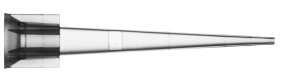
- BT20 Neptune Filter Tips 1-20 µL
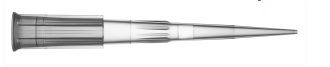
- BT100 Neptune Filter Tips 10-100 µL

- BT200 Neptune Filter Tips 20-200 µL
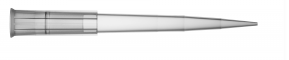
- BT1250 Universal Filter Tips 100-1250 µL (All sold in pre-sterilized, universal-fit rack formats.)

Whether you’re performing high-throughput diagnostics or routine research, Gentaur’s pipette filter tips offer reliable performance and contamination control to support your scientific success.
Pipette filter tips are more than just consumables, they are a scientific safeguard that contributes to data accuracy, laboratory safety, and reproducible outcomes. By choosing quality pipette filter tips and applying best practices, labs can significantly reduce contamination risk and improve experiment reliability.