
HymonBio’s Pan-Cancer Screening Innovation: AI and PCR Technology for the Detection of 28 Cancer Types
HymonBio’s Pan-Cancer Screening Innovation: AI and PCR Technology for the Detection of 28 Cancer Types
The development of blood-based multi-cancer screening technologies represents an important direction in precision oncology. By combining molecular biology, epigenetics and artificial intelligence, HymonBio is developing a new approach to detecting cancer-associated molecular signatures through a single blood sample.
Under the leadership of Dr. Tammy Tan (Miao Tan), PhD, founder and CEO of HymonBio, the company developed the Hymon® Pan-Cancer Screening Test Kit, integrating ultra-multiplex PCR technology, DNA methylation analysis and a computational interpretation platform.

According to documentation provided by HymonBio, the technology received FDA Breakthrough Device Designation on June 10, 2026, marking a significant milestone in its regulatory development.
1. Scientific Leadership: Dr. Tammy Tan and HymonBio
Founded in 2015 at Taicang Bio-Port, China, HymonBio specializes in the research, development and production of in vitro diagnostic reagents and molecular detection technologies.
Under the leadership of Dr. Tammy Tan, the company has expanded its activities into molecular diagnostics, cancer-associated biomarker detection, nucleic acid amplification and artificial intelligence-assisted biological data interpretation.
In 2026, HymonBio was also recognized as first runner-up in the Healthcare and Wellbeing category of the BRICS Women Startup Contest, highlighting its contribution to women-led biotechnology entrepreneurship.
The development of the Hymon® Pan-Cancer Screening Test Kit represents the convergence of molecular diagnostics, computational biology and precision medicine within the company's research activities.
2. What Is the Hymon® Pan-Cancer Screening Test Kit?
The Hymon® Pan-Cancer Screening Test Kit is a blood-based molecular screening technology designed to detect cancer-associated DNA methylation patterns in circulating cell-free DNA (cfDNA).
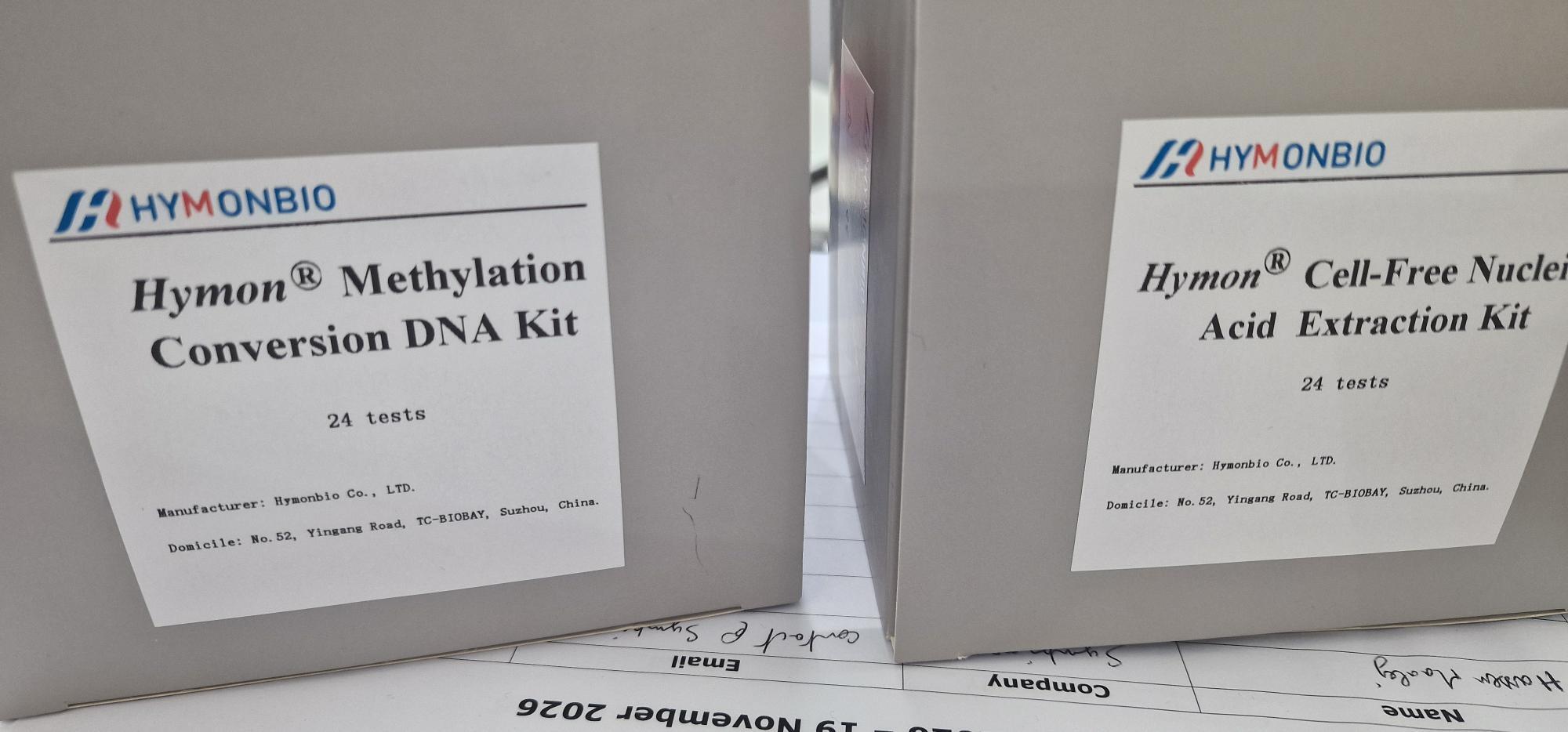
The platform combines quantitative polymerase chain reaction (qPCR), ultra-multiplex amplification and a proprietary Bio-AI analytical algorithm.
According to the manufacturer's technical documentation, the technology targets more than 400 gene methylation markers associated with 28 cancer types using a 5 mL peripheral blood sample.
| Product parameter | Manufacturer-reported specification |
|---|---|
| Product name | Hymon® Pan-Cancer Screening Test Kit |
| Manufacturer | HymonBio Co., Ltd. |
| Detection method | PCR |
| Molecular biomarkers | 400+ gene methylation targets |
| Sample type | Peripheral blood |
| Sample volume | 5 mL |
| Cancer coverage | 28 cancer types |
| Negative predictive value | 98.07% |
| Testing cycle | One day |
| Kit capacity | 96 tests |
| Analytical platform | Bio-AI algorithm |
| Regulatory milestone | FDA Breakthrough Device Designation, June 2026 |
These specifications are manufacturer-reported and should be interpreted alongside the corresponding clinical validation data.
.........
3. DNA Methylation and the Science of Liquid Biopsy
DNA methylation is an epigenetic modification involved in the regulation of gene expression. Abnormal methylation patterns are associated with numerous malignancies and may provide molecular information relevant to cancer detection.
Tumor cells can release DNA fragments into the bloodstream. These fragments form part of circulating cell-free DNA, while the tumor-derived fraction is commonly referred to as circulating tumor DNA (ctDNA).
Liquid biopsy technologies analyze biological material circulating in body fluids to investigate disease-associated molecular signatures without directly collecting tumor tissue.
By analyzing multiple methylation markers simultaneously, researchers aim to identify molecular patterns associated with different cancer types.
The HymonBio approach applies this biological principle through multiplex PCR and computational analysis.
4. Integrating Artificial Intelligence and Ultra-Multiplex PCR
The Hymon® Pan-Cancer Screening platform incorporates five core technologies described by the manufacturer.
ECS Magnetic Bead Extraction :
A nucleic acid extraction technology designed to improve the recovery of circulating cell-free nucleic acid fragments.
Molecular Lock Amplification :
An amplification technology intended to enhance the detection of low-frequency molecular targets.
EDMA High-Efficiency Amplification :
A molecular amplification approach designed to improve methylation signal detection while reducing analytical background noise.
UMSA Advanced Multiplex Amplification :
A multiplex technology enabling the simultaneous analysis of more than 400 gene methylation targets.
Bio-AI Analytical Algorithm :
A proprietary computational platform designed to interpret molecular data generated during the amplification process and evaluate cancer-associated methylation patterns.
Together, these technologies illustrate the growing integration of artificial intelligence, molecular biology and bioinformatics in next-generation diagnostic development.
5. A Molecular Screening Platform Covering 28 Cancer Types
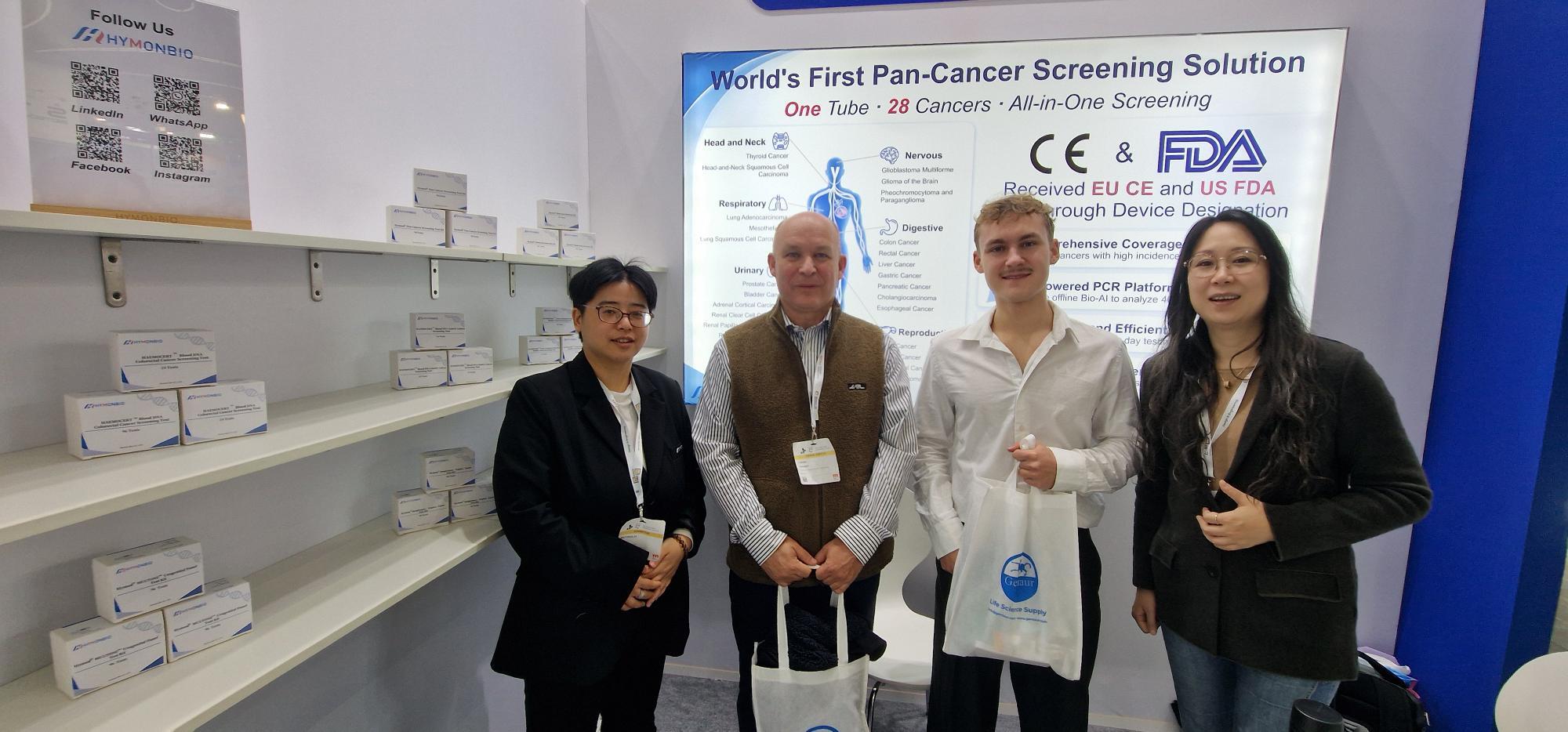
According to HymonBio's product documentation, the screening platform encompasses 28 cancer types across several anatomical and biological categories.
| System | Cancer types |
|---|---|
| Nervous system | Glioblastoma multiforme, brain glioma, pheochromocytoma and paraganglioma |
| Head and neck | Thyroid cancer, head-and-neck squamous cell carcinoma |
| Respiratory system | Lung adenocarcinoma, mesothelioma, lung squamous cell carcinoma |
| Digestive system | Colon cancer, rectal cancer, liver cancer, gastric cancer, pancreatic cancer, cholangiocarcinoma, esophageal cancer |
| Urinary system category | Prostate cancer, bladder cancer, adrenal cortical carcinoma, renal clear cell carcinoma, renal papillary cell carcinoma, renal chromophobe cell carcinoma |
| Reproductive system | Breast cancer, cervical cancer, endometrial cancer, uterine cancer |
| Other cancers | Sarcoma, cutaneous melanoma, uveal melanoma |
The categories above follow the manufacturer's classification.
The breadth of this panel demonstrates the technological ambition of multi-cancer molecular screening. However, panel coverage does not establish equivalent detection performance across all cancer types or disease stages.
6. FDA Breakthrough Device Designation: A Regulatory Milestone
On June 10, 2026, according to an FDA correspondence supplied by HymonBio, the Hymon® Pan-Cancer Screening Test received Breakthrough Device Designation under reference Q261233.
The proposed intended use describes a qualitative in vitro diagnostic test for detecting cancer-associated DNA methylation patterns in circulating cell-free DNA isolated from human plasma.
The proposed population includes adults aged 50 years or older, with or without elevated cancer risk associated with certain risk factors.
The FDA Breakthrough Devices Program facilitates the development, assessment and regulatory review of eligible medical technologies addressing serious or life-threatening conditions.
Breakthrough Device Designation is not equivalent to FDA approval, clearance or marketing authorization. Additional regulatory assessment and supporting clinical evidence remain necessary.
.........
7. Understanding the Reported 98.07% Negative Predictive Value
HymonBio reports a negative predictive value (NPV) of 98.07% for its Pan-Cancer Screening Test Kit.
Negative predictive value describes the probability that an individual with a negative test result does not have the condition being evaluated within the studied population.
Importantly, NPV is not equivalent to sensitivity, specificity or overall diagnostic accuracy. It is influenced by disease prevalence, the characteristics of the tested population and the clinical study design.
Further information about cohort size, cancer-stage distribution, sensitivity, specificity, confidence intervals and prospective validation is necessary to comprehensively assess the clinical performance of the technology.
A negative multi-cancer screening result does not exclude the possibility of cancer.
8. Women-Led Innovation in Biotechnology and Precision Oncology
The development of molecular screening technologies requires expertise across multiple scientific disciplines, including epigenetics, molecular biology, analytical chemistry, computational biology and clinical research.
HymonBio's development under the leadership of Dr. Tammy Tan highlights the contribution of women-led biotechnology companies to the advancement of molecular diagnostics.
The company's scientific and entrepreneurial journey reflects the importance of connecting laboratory research with technological development, regulatory science and international biotechnology collaboration.
9. The Future of Multi-Cancer Early Detection
Multi-cancer early detection (MCED) technologies represent an expanding area of oncology research.
Unlike conventional screening approaches targeting individual cancers, multi-cancer detection platforms investigate biological signatures associated with several malignancies using a single sample.
Future research will focus on improving cancer-stage sensitivity, reducing false-positive and false-negative results, establishing effective diagnostic follow-up pathways and evaluating the impact of these technologies on clinical outcomes.
The integration of artificial intelligence with DNA methylation analysis and multiplex PCR may provide additional opportunities for the development of accessible and scalable molecular screening platforms.
Nevertheless, multi-cancer detection technologies should not be considered replacements for established cancer screening programs without sufficient clinical evidence and applicable regulatory authorization.
Gentaur: Supporting Scientific Innovation and International Distribution
At Gentaur, we believe that innovative scientific technologies and the people behind them deserve international visibility.
Through our international scientific and commercial network, Gentaur supports biotechnology manufacturers by connecting them with researchers, laboratories, academic institutions and industry professionals.
By providing complimentary scientific visibility to HymonBio and Dr. Tammy Tan's work, Gentaur aims to encourage international scientific exchange, facilitate new professional connections and support the development of commercial opportunities.
Gentaur is also open to supporting the international distribution of HymonBio's technologies, subject to applicable regulatory requirements and commercial arrangements.
Our objective is to create connections between scientific innovators, potential investors, biotechnology partners and international markets.
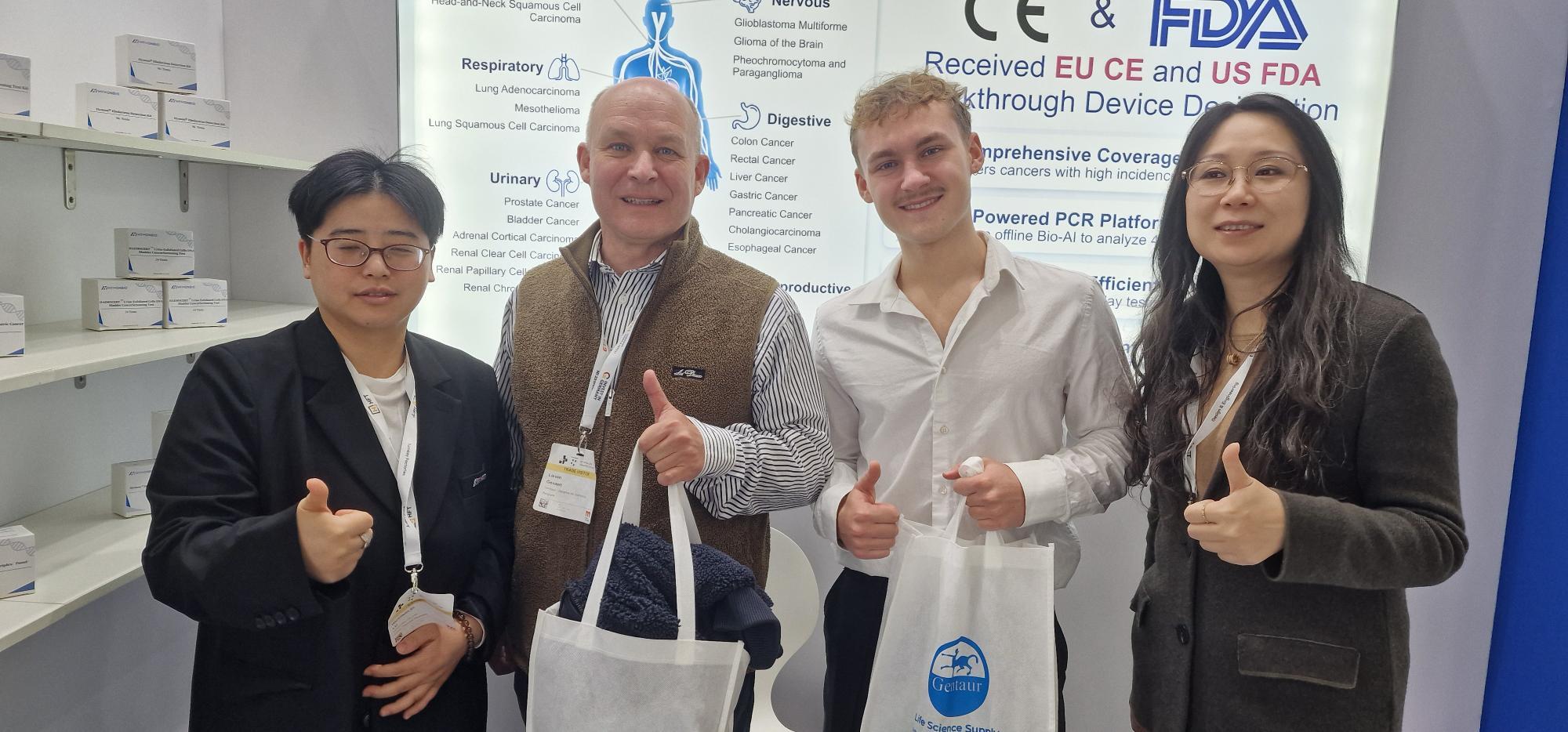
Lieven Gevaert, Gentaur - Perspective on the Future of Molecular Diagnostics
"The future of molecular diagnostics lies in the convergence of artificial intelligence, molecular biology and precision medicine. HymonBio’s approach to multi-cancer early detection illustrates how innovative biotechnology companies are exploring new possibilities in cancer screening.
At Gentaur, we believe that scientific innovation should not be limited by geographical boundaries. Our mission is to connect biotechnology innovators with researchers, laboratories, healthcare professionals and international markets, supporting the responsible advancement of emerging scientific technologies."
Lieven Gevaert, Gentaur
10. Scientific Documentation and Further Information
The Hymon® Pan-Cancer Screening Test Kit represents an intersection of epigenetic biomarker research, liquid biopsy, multiplex PCR and AI-assisted molecular data interpretation.
Researchers, healthcare professionals and biotechnology specialists interested in learning more about this development can consult the following manufacturer-provided documentation:
- Hymon® Pan-Cancer Screening Test Kit - Technical Product Flyer.
- HymonBio Big Events - Corporate and Scientific Milestones.
- FDA Breakthrough Device Designation correspondence, dated June 10, 2026, reproduced in the corporate documentation.
This article is intended for scientific and professional information. Product specifications and performance claims are based on manufacturer-provided documentation. Regulatory designation does not constitute marketing authorization or independent confirmation of clinical effectiveness.