
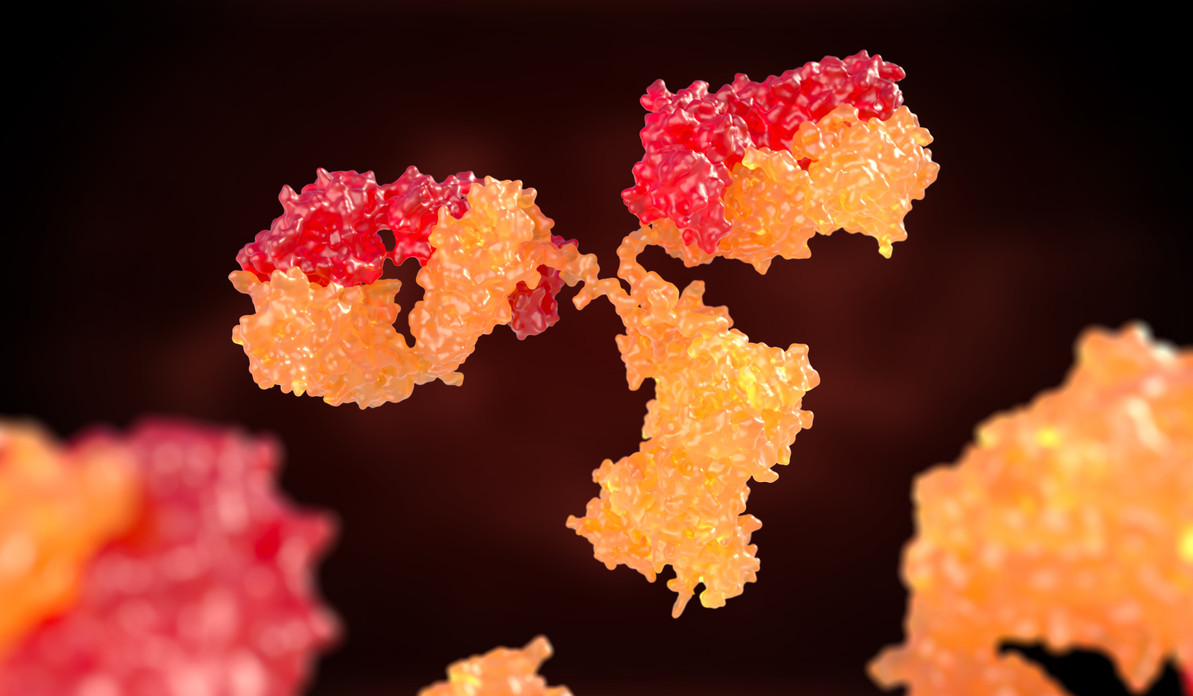
Tiny Camelids, Big Antibodies: The Rise of Alpaca Antibodies in Science
Keywords: Alpaca antibodies, camelids, single-domain antibodies (VHHs), antigen binding, conventional antibodies, drug discovery, diagnostics, llamas, nanobodies.
In the world of science, antibodies are like detectives, specifically targeting and binding to unique molecules called antigens. Traditionally, scientists relied on antibodies derived from animals like rabbits and mice. But there's a new sheriff in town (or rather, a new herd in the lab) – the alpaca!
Alpacas: A Source of Unique Antibodies
Alpacas, along with their camelid cousins (llamas), produce a special class of antibodies called single-domain antibodies (VHHs). Unlike conventional antibodies, VHHs are much smaller and simpler, lacking one of the heavy chains. This unique structure gives them several advantages:
- Smaller Size: Think of VHHs as nimble detectives, able to squeeze into tight spaces conventional antibodies can't reach.
- Higher Affinity: VHHs often bind to antigens with even greater strength than conventional antibodies. Imagine them forming a tighter grip on the culprit.
- Greater Stability: VHHs are more resistant to harsh conditions like heat and acidic environments, making them more versatile tools.
Why are Alpaca VHHs Exciting Scientists?
These unique properties of VHHs make them ideal for various scientific applications:
- Drug Discovery: VHHs can target specific disease-related molecules, potentially leading to the development of new drugs. Imagine them as tiny detectives zeroing in on the villainous molecules causing disease.
- Diagnostics: VHHs can be used to detect specific proteins or pathogens in a sample, aiding in disease diagnosis. Think of them as miniature bloodhounds sniffing out the presence of a threat.
- Targeted Therapies: Due to their small size and high affinity, VHHs have potential for targeted drug delivery, minimizing side effects. Imagine them acting as Trojan horses, delivering medication directly to diseased cells.
The Future of Alpaca Antibodies
Research on alpaca VHHs is a rapidly evolving field. Scientists are exploring their potential in various areas, including:
- Cancer therapies: Targeting specific cancer markers for more precise treatment.
- Neurological diseases: Investigating the role of specific proteins in brain disorders.
- Biotechnology: Developing novel biosensors and diagnostic tools.
From their humble origins in the Andes mountains, alpacas are revolutionizing the world of antibodies. Their VHHs hold immense promise for advancing scientific research and developing new therapeutic strategies.
Recent Posts
-
Hieff Trans™ Booster DNA/RNA Transfection Reagent
Transfection Reagents • Molecular Biology Hieff Trans™ Booster DNA/RNA Transfection Reagent A poly …23rd Sep 2026 -
Gibberellic Acid (GA3)
Plant Growth Regulators • Plant Tissue Culture Gibberellic Acid (GA3) A plant growth regulator use …23rd Sep 2026 -
Gellan Gum
Plant Tissue Culture • Laboratory Reagents Gellan Gum A plant tissue culture gelling agent for pre …23rd Sep 2026